
Endodontic Services

When a tooth becomes infected, discomfort can be difficult to ignore — but removal is not always the best solution. Endodontic care allows a compromised tooth to be preserved, maintaining function, comfort, and long-term oral health.
At Chevy Chase Digital Dentistry, Dr. Azin Ghesmati approaches endodontic care with careful judgment and technical precision. Treatment is guided by advanced imaging and microscope-enhanced visualization, allowing infection to be addressed accurately while preserving as much healthy tooth structure as possible.
Endodontic care is not simply about eliminating infection — it is about making a thoughtful decision to save what can be preserved, restoring comfort while maintaining the natural integrity of your smile.
When the inner structure of a tooth becomes compromised by infection or inflammation, precise intervention is required to preserve the tooth and restore long-term function. Root canal therapy, when performed thoughtfully and accurately, allows the natural tooth to be retained while eliminating discomfort and instability.
At Chevy Chase Digital Dentistry, root canal treatment is approached with careful diagnosis, advanced digital imaging, and meticulous technique. Our focus is on accuracy, comfort, and preservation—addressing the underlying problem while respecting the surrounding tooth structure.
Every case is evaluated individually, with treatment planned to support durability, biological health, and seamless integration with future restorative care. The goal is not simply to treat infection, but to restore stability and confidence in your oral health.
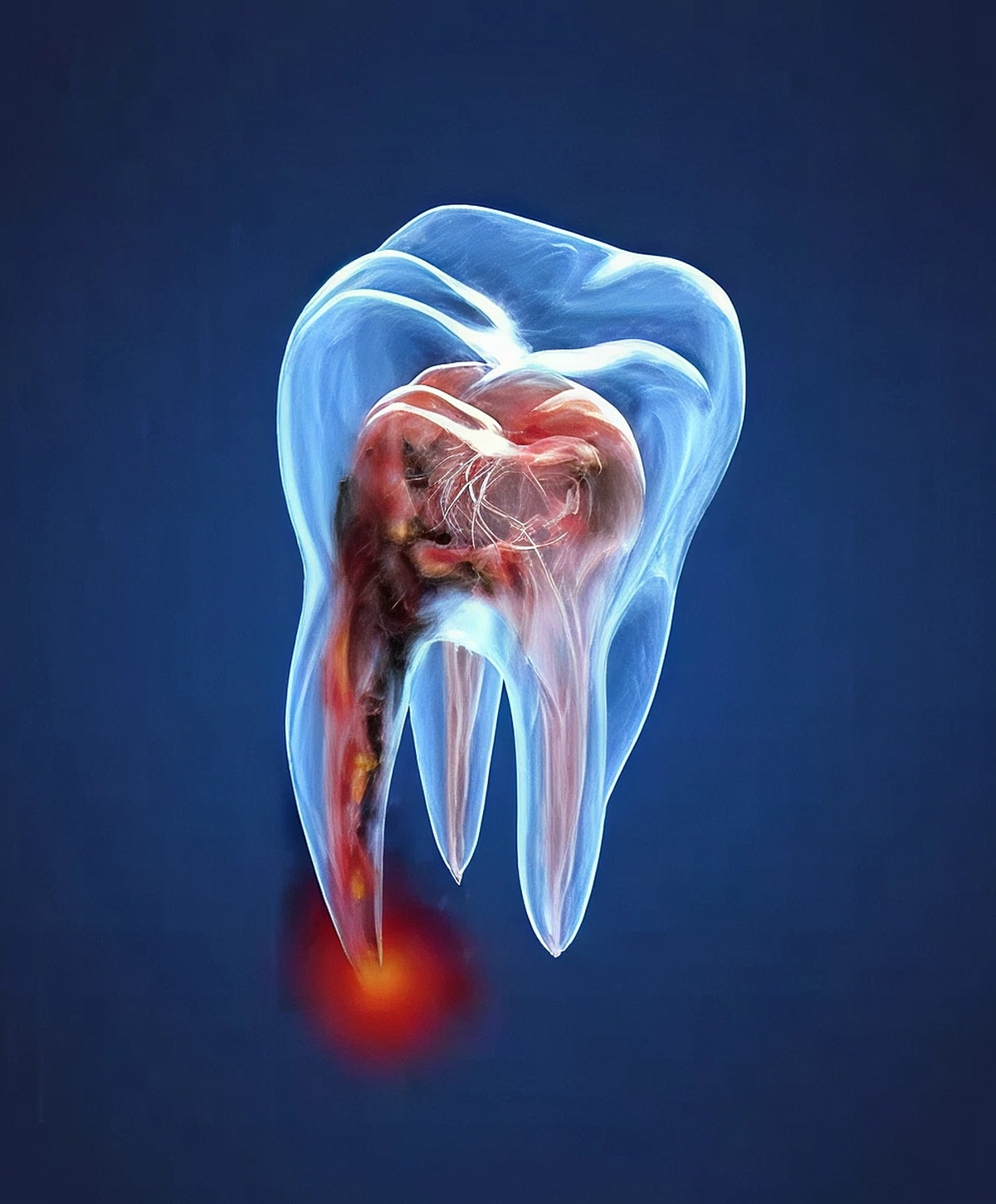
Some people might not have any symptoms at all when they have an infection in the dental pulp. Otherwise, you may experience something like the following. If you have any of these symptoms, make sure you call our Washington, D.C. office right away:

Contrary to popular belief, root canal procedures aren’t painful. In fact, they often help relieve the pain you’ve been experiencing because they remove the infection and pressure from your tooth. Getting a root canal is comparable to getting a dental filling for a tooth cavity. It’s not an extensive, painful procedure that its reputation may have led you to believe.
First, we will perform an examination of your tooth. A root canal can save your tooth from needing a tooth extraction. We want to help you save your tooth whenever possible. If it’s determined that a root canal will do the trick, we can proceed with the procedure.
Then a small hole is drilled into the back of your tooth so that the interior of the tooth can be accessed. All of the infected dental pulp is removed with a special tool that’s designed specifically for this purpose.
With the infected dental pulp removed, the interior of the tooth will be thoroughly cleaned out and filled with a biocompatible material. This gives your tooth some stability and ensures it doesn’t stay hollow.
Most likely, your root canal will be completed with a dental crown. The crown will seal off the tooth from further infection and also give you back the full function of that tooth. You won’t have to worry about biting into foods with it.
A dental crown is customized to the size, shape, and shade of the rest of your teeth so that it blends seamlessly with the rest of your smile. It’s permanently bonded to the tooth, creating a restoration that’s meant to last.
Root canal treatment is one of the most technique-sensitive procedures in dentistry. Successful outcomes depend not only on removing infection, but on identifying complex canal anatomy, preserving healthy tooth structure, and sealing the tooth with absolute accuracy.
At Chevy Chase Digital Dentistry, Dr. Azin Ghesmati provides advanced endodontic care in Washington, D.C. using modern diagnostic imaging and dental operating microscope–enhanced treatment. Magnification and illumination allow for precise identification of accessory canals, fractures, and residual infection that may not be visible to the naked eye.
Dr. Ghesmati has completed advanced postgraduate training in endodontics, including microscope-based techniques and contemporary root canal protocols taught by leading educators in the field, such as Dr. Steve Buchanan and Dr. John West. This foundation allows her to manage both primary root canal treatment and complex retreatment cases with confidence and precision.
Every case is approached conservatively, with a focus on long-term stability, comfort, and preservation of the natural tooth whenever possible.