Dental Veneers
in Washington, DC


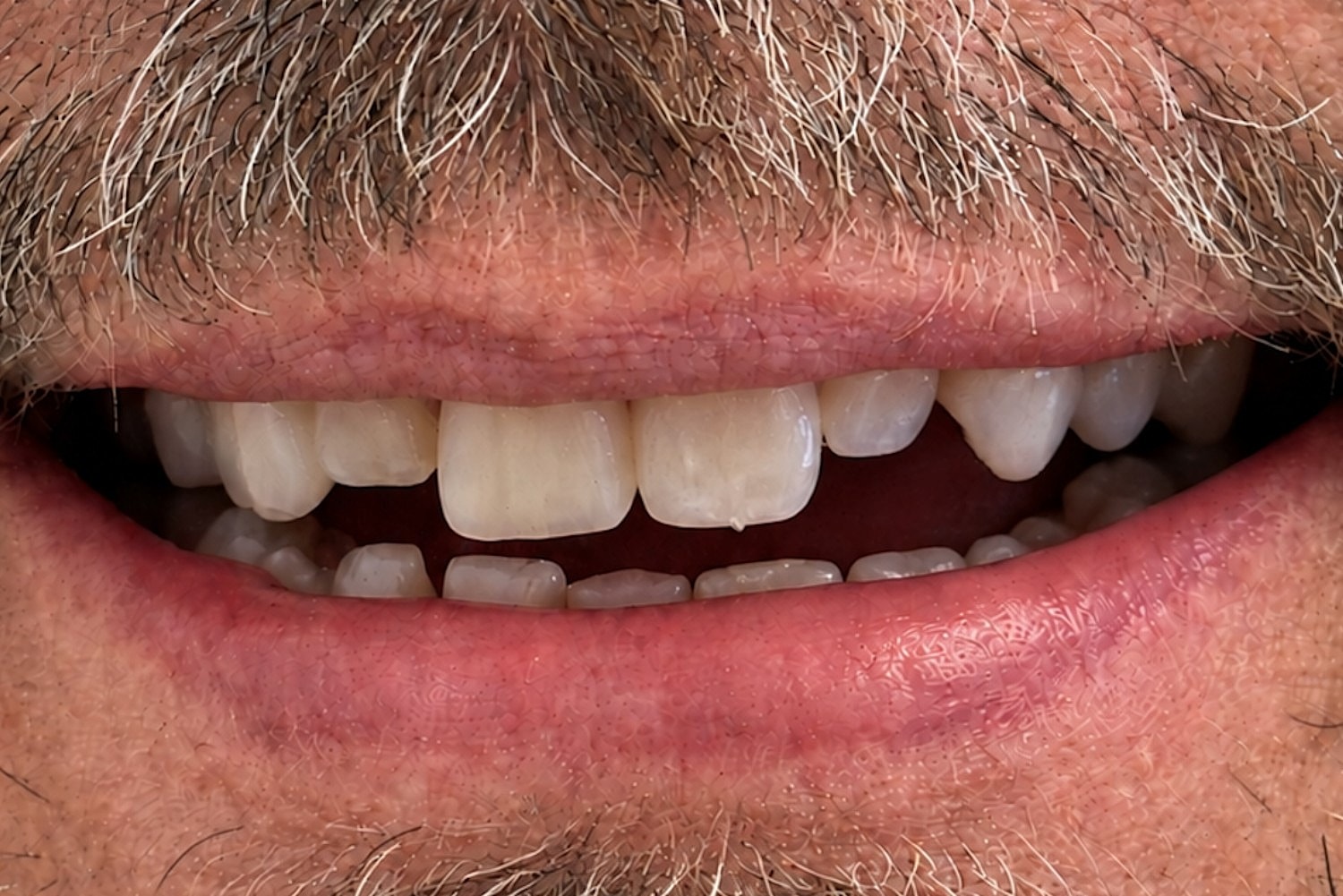
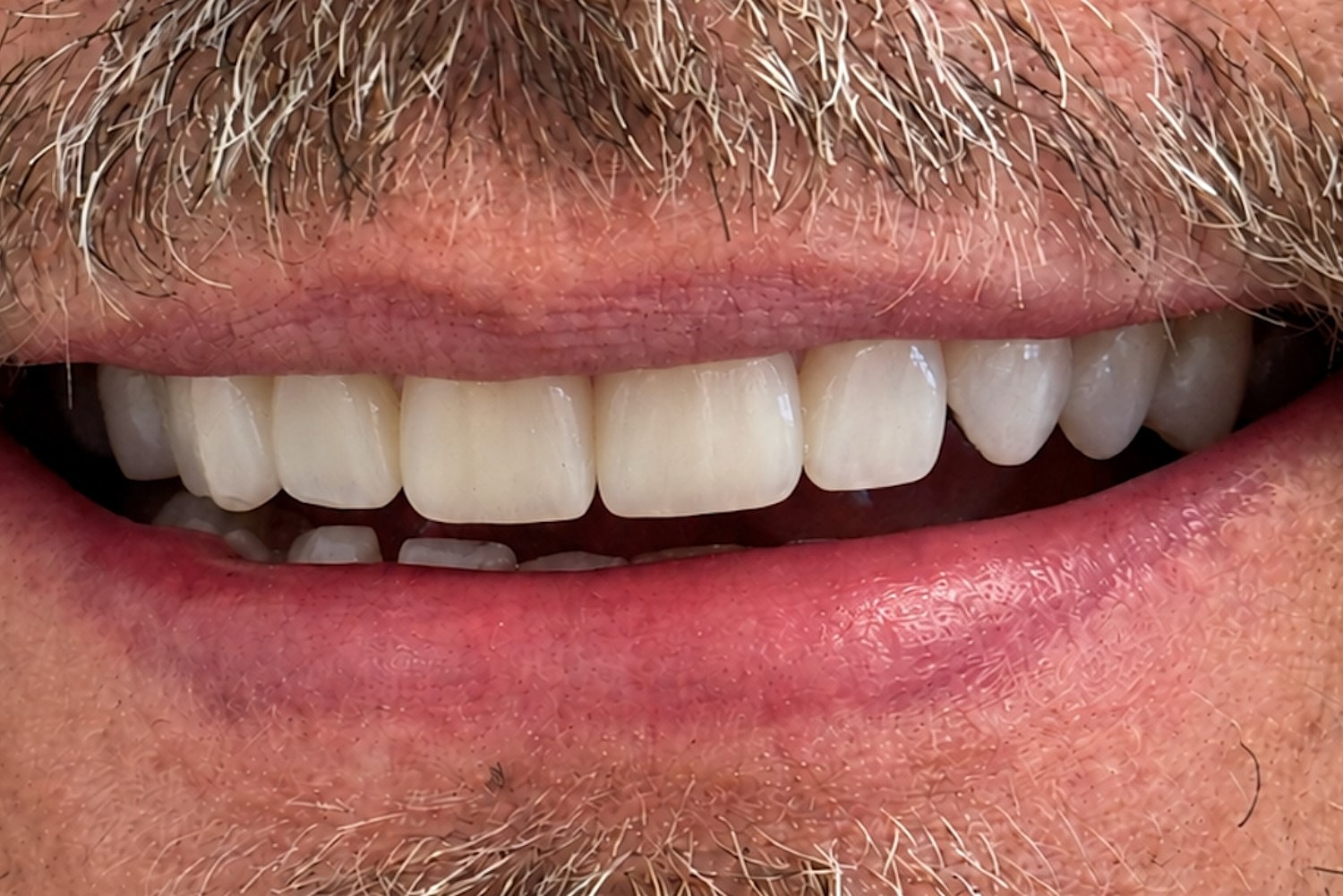
A smile can be healthy and still feel visually unfinished. The teeth may be strong, but the color is inconsistent. The edges may be worn. One tooth may sit slightly out of line. Older dental work may no longer belong with the rest of the smile.
Veneers should not be approached as a cosmetic shortcut
At Chevy Chase Digital Dentistry, our Washington, DC dental veneer treatment begins with restraint. Dr. Azin Ghesmati looks first at what should be preserved, what is drawing the eye for the wrong reason, and what can be improved without pushing the teeth further than the case requires. For some patients, porcelain veneers are the right solution. For others, whitening, bonding, Invisalign, or a more conservative plan makes better sense. The question is not whether veneers can create change. The question is whether they are the right way to create it.
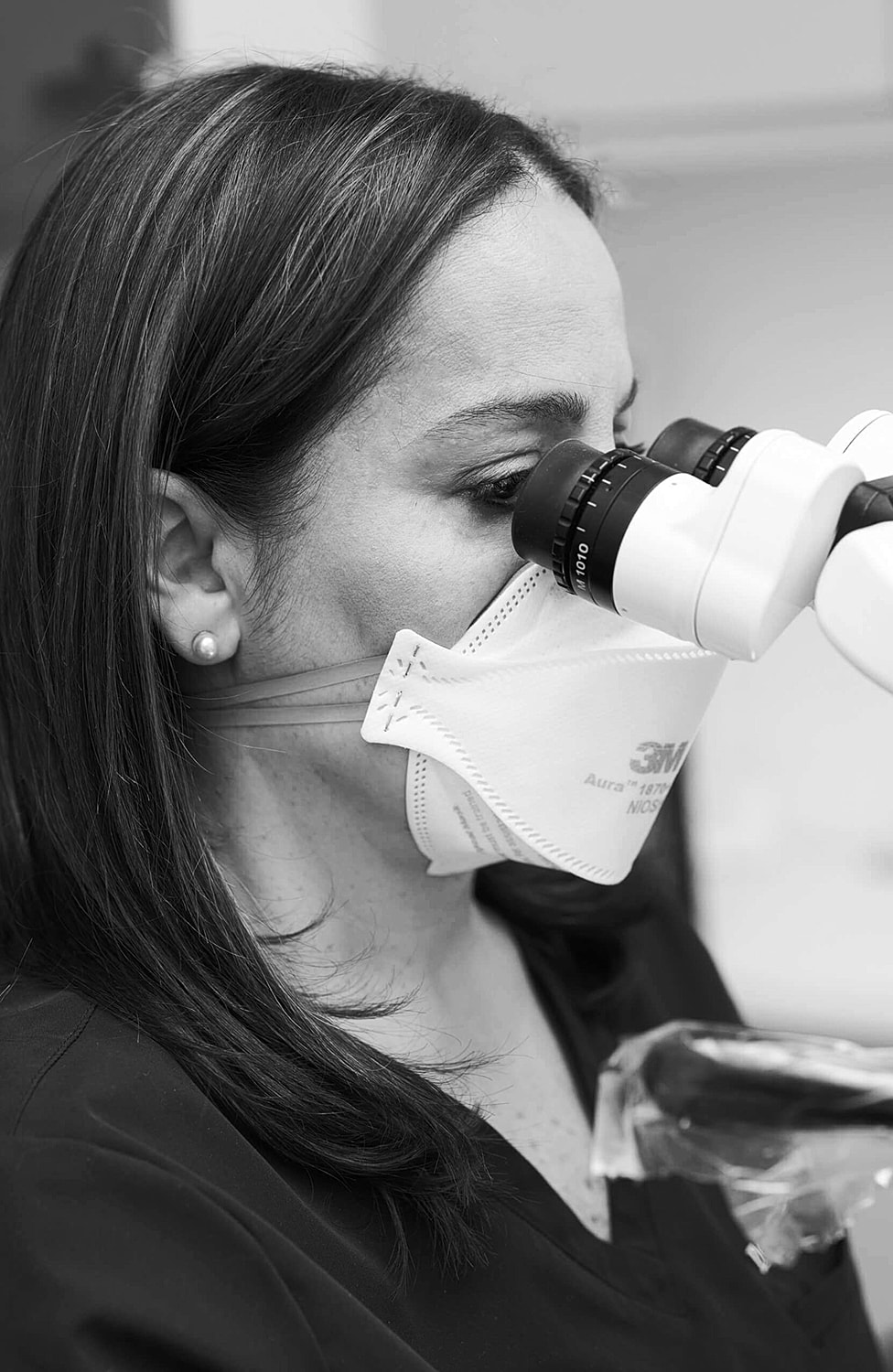
Dr. Ghesmati brings an engineer’s way of thinking to clinical care: precise, methodical, and highly attuned to detail. In dental veneer treatment, that matters. The goal is not simply to make teeth whiter or straighter-looking. The goal is to create a smile that feels natural, proportionate, and fully at home in the face.
1 of 1
Porcelain veneers are thin custom restorations bonded to the front surface of the teeth to improve color, shape, proportion, and surface character.
That definition matters here. Veneers are often described as though they are a universal cosmetic answer. They are not. In the right case, they can refine multiple concerns at once and do so beautifully. In the wrong case, they can ask too much of the tooth or solve the wrong problem. A patient with slightly crooked teeth may be better served by movement before restoration. A patient with discoloration may need more than whitening, but less than a full smile makeover. A patient with older dental work may need selective replacement rather than a broad cosmetic change.
This is why dental veneers at Chevy Chase Digital Dentistry are planned rather than sold. The treatment has to make aesthetic sense. It also has to make structural sense.
Patients consider dental veneers for different reasons, and those reasons are not always dramatic.
Treatment may be recommended to improve:
Some patients come in with one clear complaint. One tooth is darker. One edge is fractured. One front tooth no longer matches the others. Others are reacting to something more cumulative. The teeth may be healthy, but the smile no longer feels resolved.
That difference matters. The dental veneers Washington, DC patients consider should answer the real problem, not just the most marketable one.
A veneer can do a great deal. That does not mean it should be used automatically.
In some offices, veneers are treated like the obvious path to a brand-new smile. That is not how Dr. Ghesmati works. She studies what is healthy, what is visually distracting, what is structurally stable, and what can be improved without moving too quickly into more aggressive treatment. Some patients are better served with whitening. Some with dental bonding. Some with alignment-focused planning before any porcelain is considered.
That may mean a more conservative approach. It may mean doing fewer teeth. It may mean deciding that veneers are appropriate for only part of the smile. It may mean acknowledging that a different treatment plan will protect the natural teeth more intelligently.
The best veneer case is not the one that changes the most. It is the one that changes exactly what should be changed.

At Chevy Chase Digital Dentistry, the veneer process is careful, digital, and highly individualized.
Your consultation begins with a close evaluation of the teeth, bite, gums, and any existing restorations. Some patients are discussing cosmetic concerns for the first time. Others have received restorative dental work elsewhere and want the visible areas to feel more cohesive. Some are trying to correct discoloration. Some want to reshape teeth. Some want a more attractive smile without losing what looks natural about their current one.
If dental veneers are the right choice, Dr. Ghesmati studies the shape, proportion, and position of the teeth before any preparation begins. This planning stage matters. A veneer covers only a thin layer of the front surface, so small decisions in contour, edge position, and proportion change the entire result.
When preparation is needed, it is done conservatively. The goal is not to overreduce healthy enamel. The goal is to create space for custom veneers that fit cleanly and feel integrated with the existing teeth. A local anesthetic may be used so the process remains comfortable.
Instead of a traditional mold, the office uses digital scanning to create a precise 3D record of the teeth. Those records guide the design and are shared with the dental lab responsible for fabricating the final restorations. This is where the porcelain veneer process becomes highly specific. Shade, translucency, texture, and overall shape are not chosen from a generic template. They are developed for the individual case.
Temporary veneers may be worn while the final restorations are being made. In some cases, that stage allows patients to preview changes in length, shape, and overall expression before the final bonding appointment. Once the porcelain veneers are ready, Dr. Ghesmati evaluates each one carefully before it is bonded into place.
The goal is not simply to cover imperfections. It is to create a smile that feels coherent, precise, and lasting.
Both material and design matter in veneer treatment.
Porcelain remains the preferred material in many veneer cases because it reflects light more like natural enamel, holds its surface character well, and is more stain-resistant than more temporary alternatives. Patients who enjoy coffee or red wine still need proper care, but well-made porcelain generally ages more gracefully than many patients expect.
That matters because a veneer should not look flat or obvious. It should carry light in a way that feels alive. It should belong with the rest of the smile.
Well-designed porcelain veneers do not usually register as one dramatic feature. Patients may notice that the smile looks brighter, cleaner, or more even. They may notice that the front teeth look less worn. They may notice that discoloration no longer distracts from the smile. They may notice that the shape feels more polished and the overall expression more balanced.
Other people tend to notice something simpler. The smile looks right.
That is usually the stronger result. Veneers should not make the teeth look disconnected from the face. They should create a beautiful smile without making the dentistry itself the most noticeable thing in the room.
Longevity depends on the condition of the teeth, the bite, the quality of the bonding, the way the veneers are designed, and how the result is maintained over time.
Porcelain veneers can last for many years with proper care, good oral hygiene, and regular dental checkups. Patients who clench, grind, or place unusual force on the front teeth may need protective guidance to support the result long term. This is why broad promises are not especially useful.
The better question is how a specific veneer design is likely to hold up in your mouth, under your bite forces, with your habits, and your maintenance.
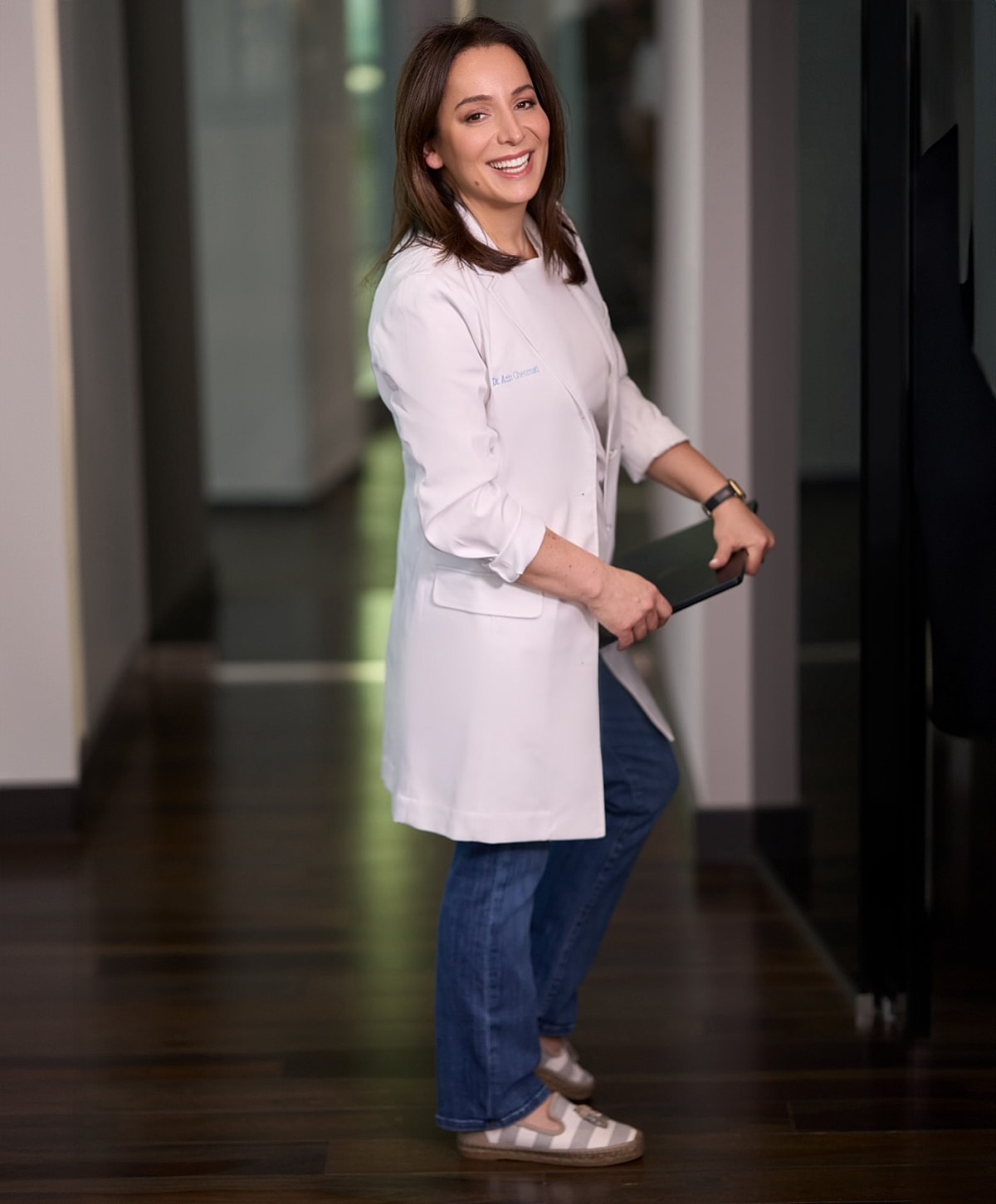
Dr. Azin Ghesmati approaches dental veneers with a rare combination of aesthetic judgment, restorative sophistication, and digital precision. Her work is measured, highly individualized, and grounded in the belief that cosmetic dentistry should also be structurally sound.
Her path into dentistry did not begin in a conventional place. Before entering the field, she studied computer software engineering and worked in project management. That background still shapes the way she approaches complexity. She plans carefully, pays close attention to structure and sequencing, and builds treatment around what is correct for the patient rather than what is routinely done.
Patients often comment on that balance. The standard is high. The atmosphere is calm. Care feels thoughtful, meticulous, and personal without ever feeling performative.
To schedule your consultation for porcelain veneers in Washington, DC, contact Chevy Chase Digital Dentistry.