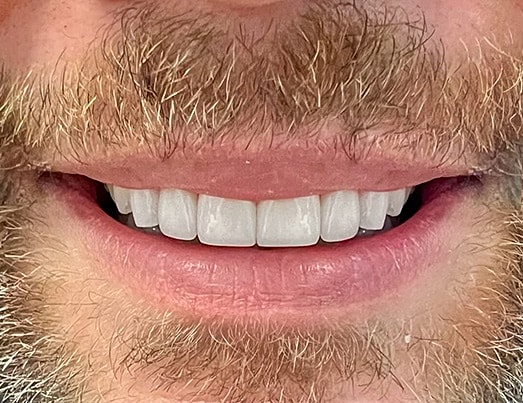
Smile Makeover
Chevy Chase in Washington, DC


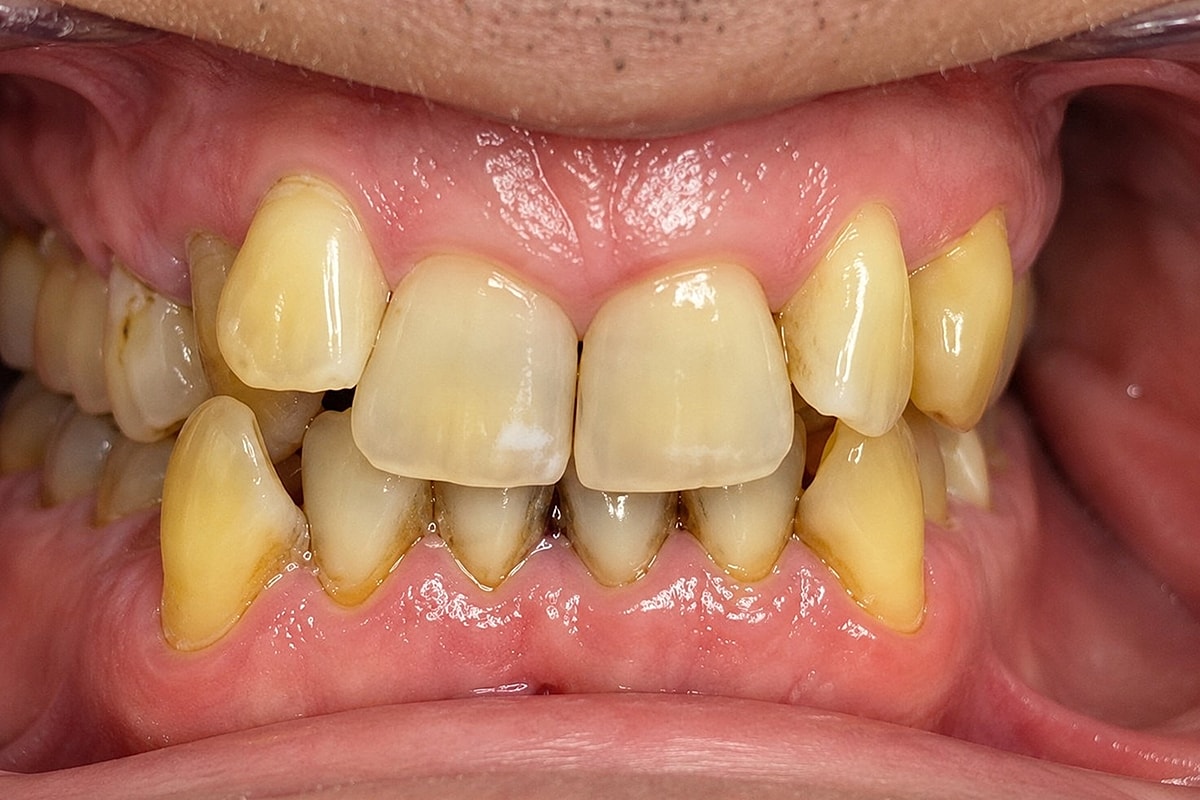
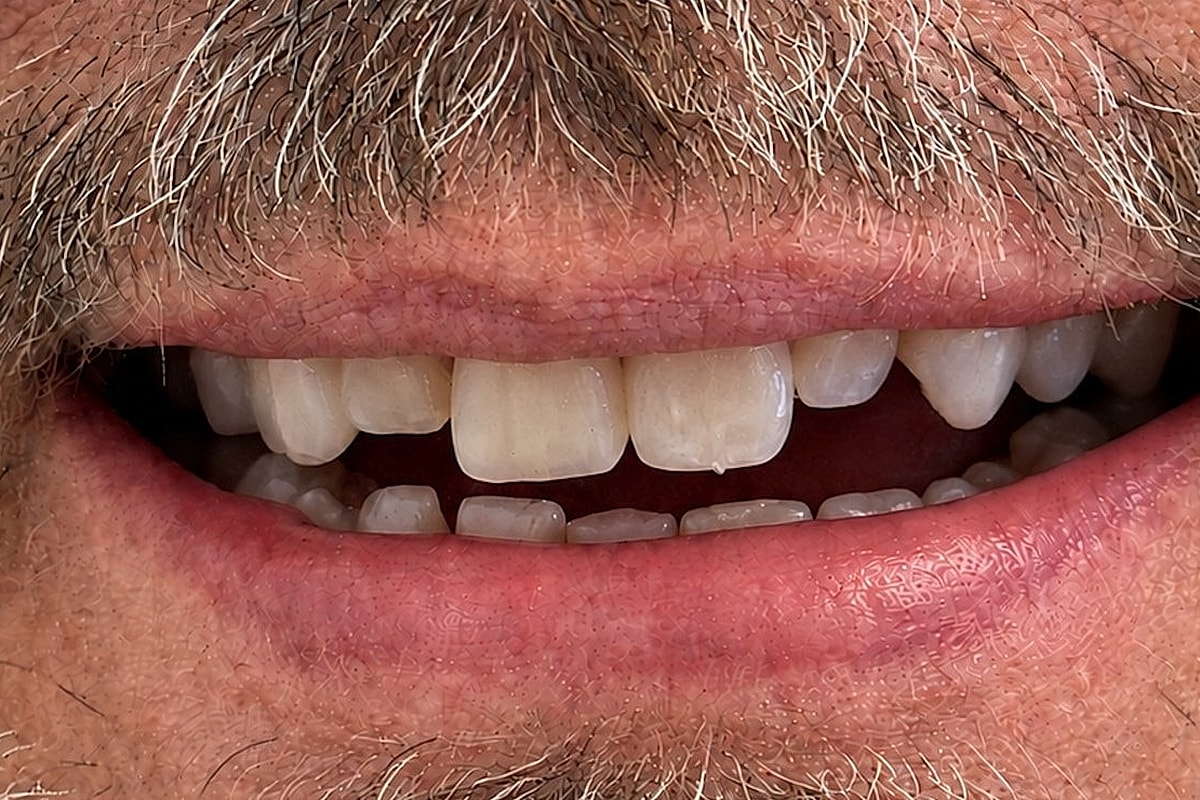
A smile can be attractive in pieces and still feel unresolved as a whole. The color may be brighter, but the proportions are off. The teeth may be healthy, yet the edges look worn, older dental work draws the eye, or spacing and alignment interrupt the way the smile sits in the face.
A smile makeover should not be approached like a collection of procedures.
At Chevy Chase Digital Dentistry, Dr. Azin Ghesmati approaches our Washington, DC smile makeover the same way she approaches the rest of her work: identify what is healthy, understand what is visually or structurally out of balance, and change only what the case actually calls for. For some patients, that may mean whitening and conservative bonding. For others, veneers, Invisalign, implants, or restorative treatment may belong in the plan. The point is not to do more. It is to create a smile that feels coherent, natural, and fully supported by the teeth underneath it.
Dr. Ghesmati brings an engineer’s way of thinking to clinical care. That becomes especially important in a smile makeover, where small decisions in shape, color, alignment, and function affect the result as a whole. A smile can be made brighter quickly. Creating one that looks settled, proportionate, and structurally sound takes more discipline.
1 of 4
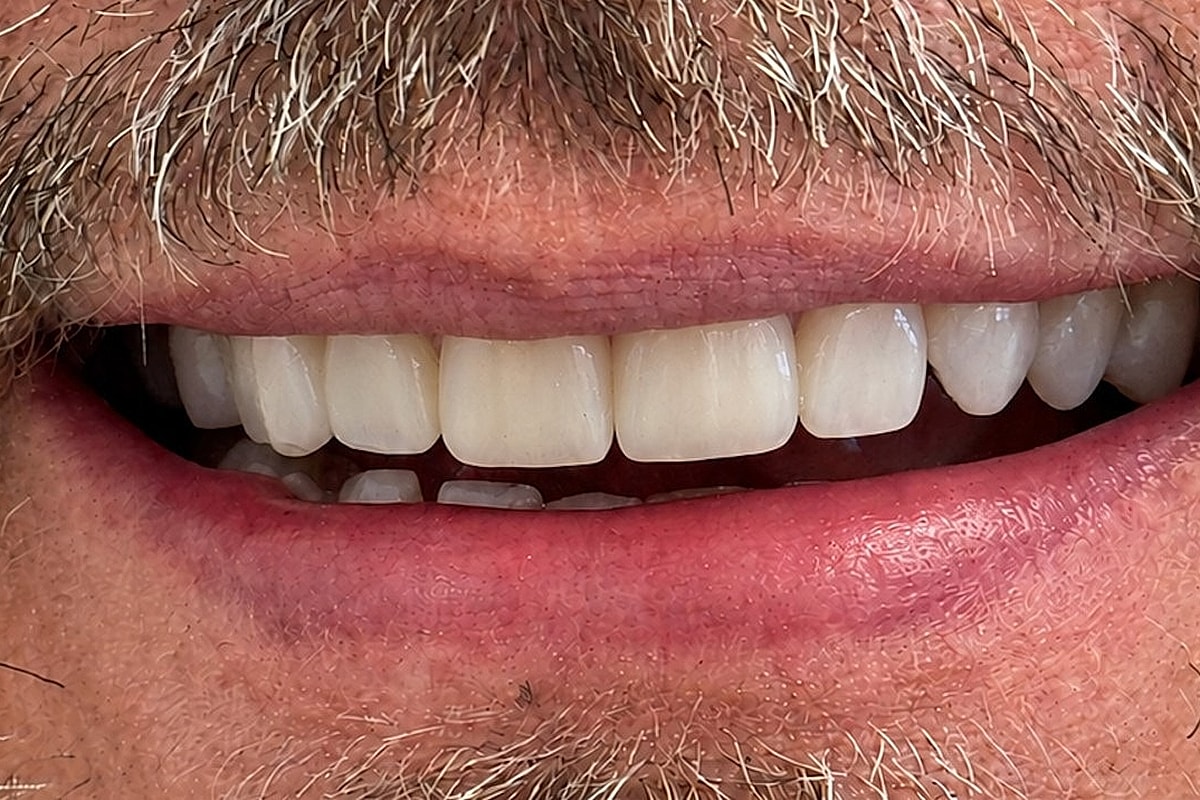
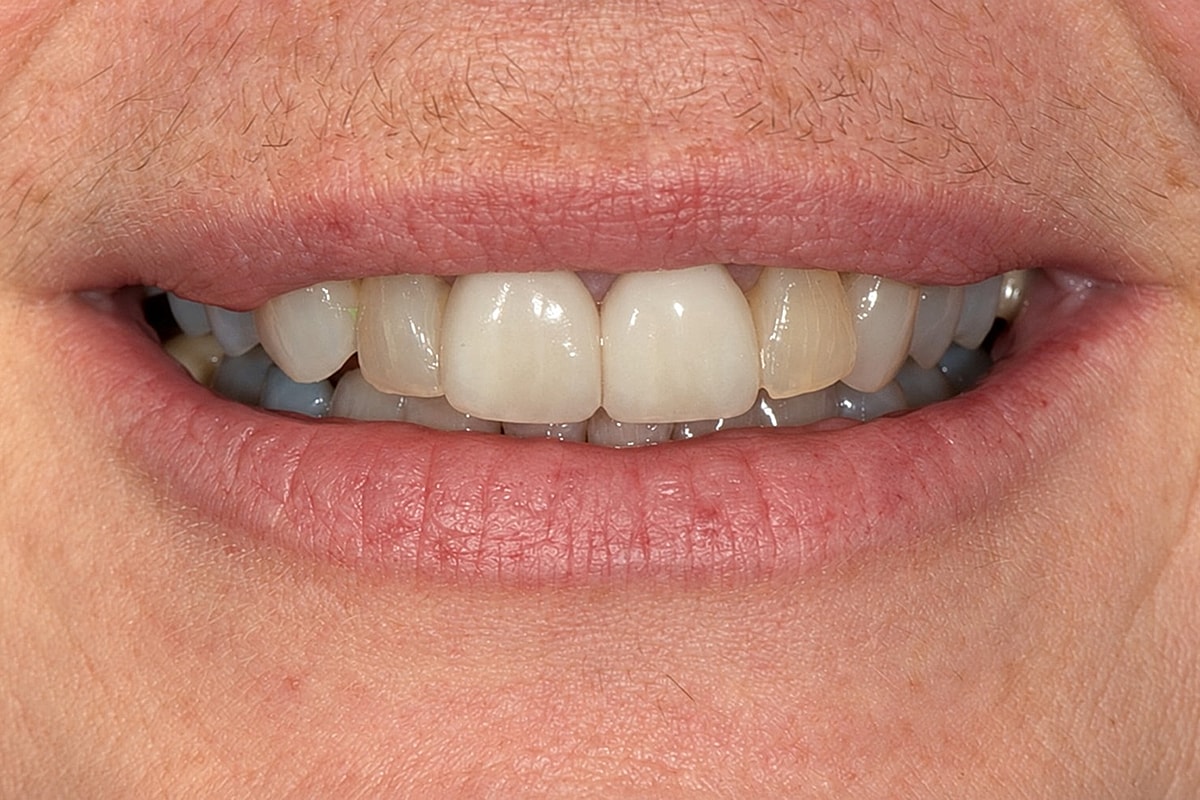
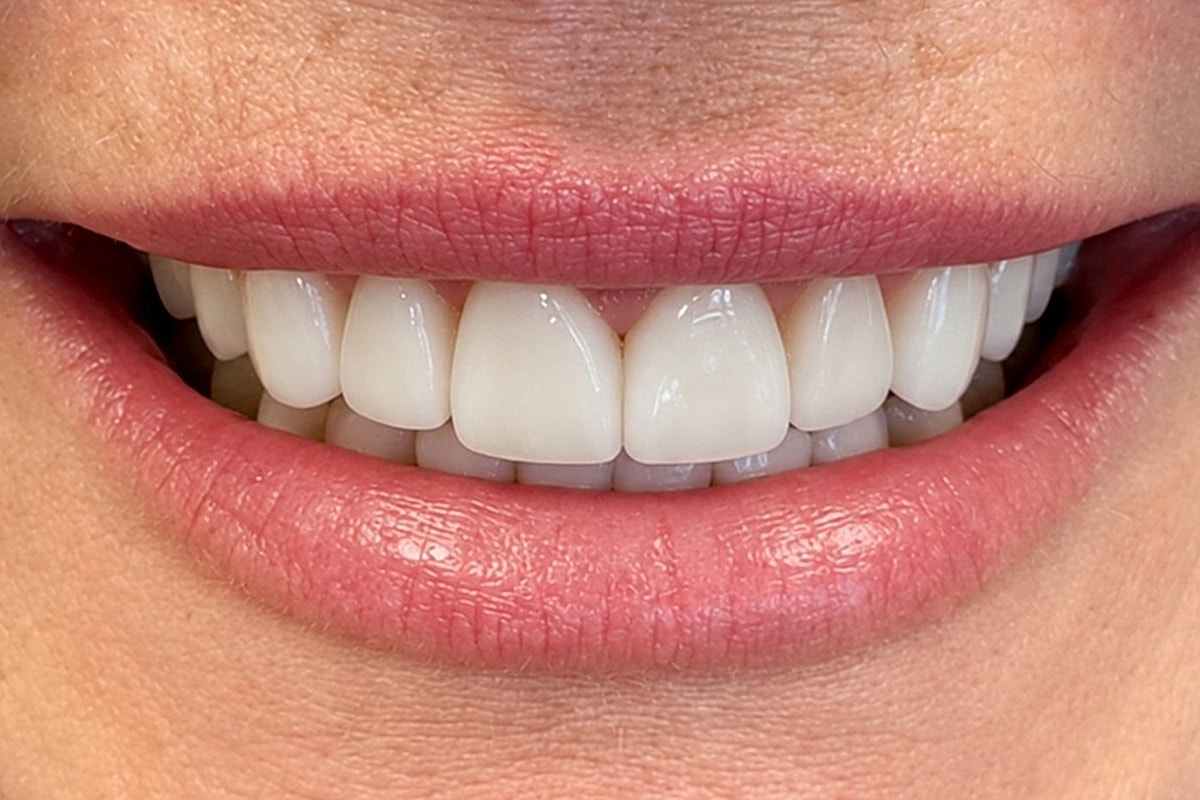
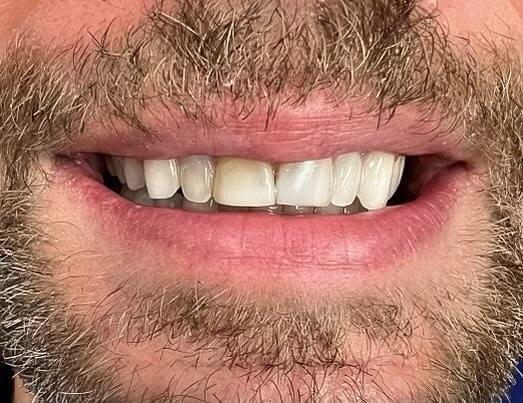
A smile makeover is a customized treatment plan that improves the appearance of the smile through a carefully selected combination of cosmetic and restorative procedures.
That definition matters here. A smile makeover is often described as though it were one treatment with one visual outcome. It is neither. In a well-planned case, it may involve whitening, veneers, bonding, Invisalign, crowns, implants, or replacement of older dental work. In some cases, the right answer is surprisingly conservative. In others, a broader reconstruction is what creates a stable result.
At Chevy Chase Digital Dentistry, a smile makeover is not built from a template. It is built from the condition of the teeth, the bite, the facial proportions, and the patient’s priorities. The treatment has to make aesthetic sense. It also has to make structural sense.
Patients consider a smile makeover for different reasons, and those reasons are rarely limited to color alone.
Treatment may be recommended to improve:
Some patients arrive with one clear complaint. One tooth is darker. Several edges are worn. A crown no longer matches. Others are reacting to something broader. Nothing feels dramatically wrong, but the smile no longer feels resolved.
That difference matters. A smile makeover should answer the real condition of the smile, not just the most visible part of it.
A more expensive plan is not necessarily a better one. A more extensive plan is not necessarily a smarter one.
In some offices, the term “smile makeover” can quickly become shorthand for veneers on multiple teeth. That is not how Dr. Ghesmati works. She studies what is healthy, what is stable, what is distracting, and what can be improved conservatively before recommending a plan. Some smiles need movement before restoration. Some need replacement of older work rather than new cosmetic treatment layered on top. Some need a broader restorative foundation before cosmetic changes make sense.
That may mean sequencing care over time. It may mean doing fewer teeth. It may mean combining cosmetic and restorative procedures in a way that looks seamless because the case was planned as one whole rather than as separate parts.
The strongest smile makeover is usually the one with the most restraint behind it.
A smile makeover is not one procedure. It is a category of treatment that may combine several forms of care, depending on what the smile needs.
Porcelain dental veneers may be used when the front teeth need a more complete refinement of shape, proportion, color, or surface character. They can be the right choice when multiple visible concerns need to be corrected together.
Dental bonding can be useful for smaller changes: a chipped edge, a narrow space, a contour that needs to be softened, or a tooth that needs modest reshaping without moving into more extensive treatment.
When color is the main issue, professional teeth whitening may be the most appropriate place to begin. It can brighten the smile significantly while preserving the natural tooth structure completely.
Some smiles are improved more intelligently through movement than through added material. Invisalign may be part of a smile makeover when alignment, spacing, or bite position should be corrected before restorative work begins.
When a tooth is structurally compromised, cosmetic improvement may need to happen through restoration rather than surface refinement alone. Dental crowns and other restorative care may be part of the smile makeover when strength and appearance need to be rebuilt together.
If a patient is missing a tooth, dental implants may be part of the plan to restore continuity, support the bite, and improve the overall balance of the smile.
A smile can feel visually unsettled because older restorations no longer match the surrounding teeth. Replacing them may have as much impact as adding new treatment.
At Chevy Chase Digital Dentistry, a smile makeover begins with diagnosis and planning.
The consultation includes a close evaluation of the teeth, gums, bite, and any existing restorations, along with a discussion of what the patient wants to change and what they want to preserve. Some patients want a brighter version of their current smile. Some want more symmetry. Some are trying to correct years of wear, older dental work, or changes that have accumulated slowly. Those are not the same cases, and they should not be treated as though they are.
Digital Smile Design and advanced imaging are central to how Dr. Ghesmati plans a case, and they remain one of the strongest parts of the offering. Used well, these tools help her evaluate proportion, tooth display, edge position, and the relationship between the smile and the face before clinical treatment begins.
The planning stage shapes everything that follows. In a smile makeover, small misjudgments do not stay small.
Patients do not always describe the result in technical terms. They usually describe it in simpler ones.
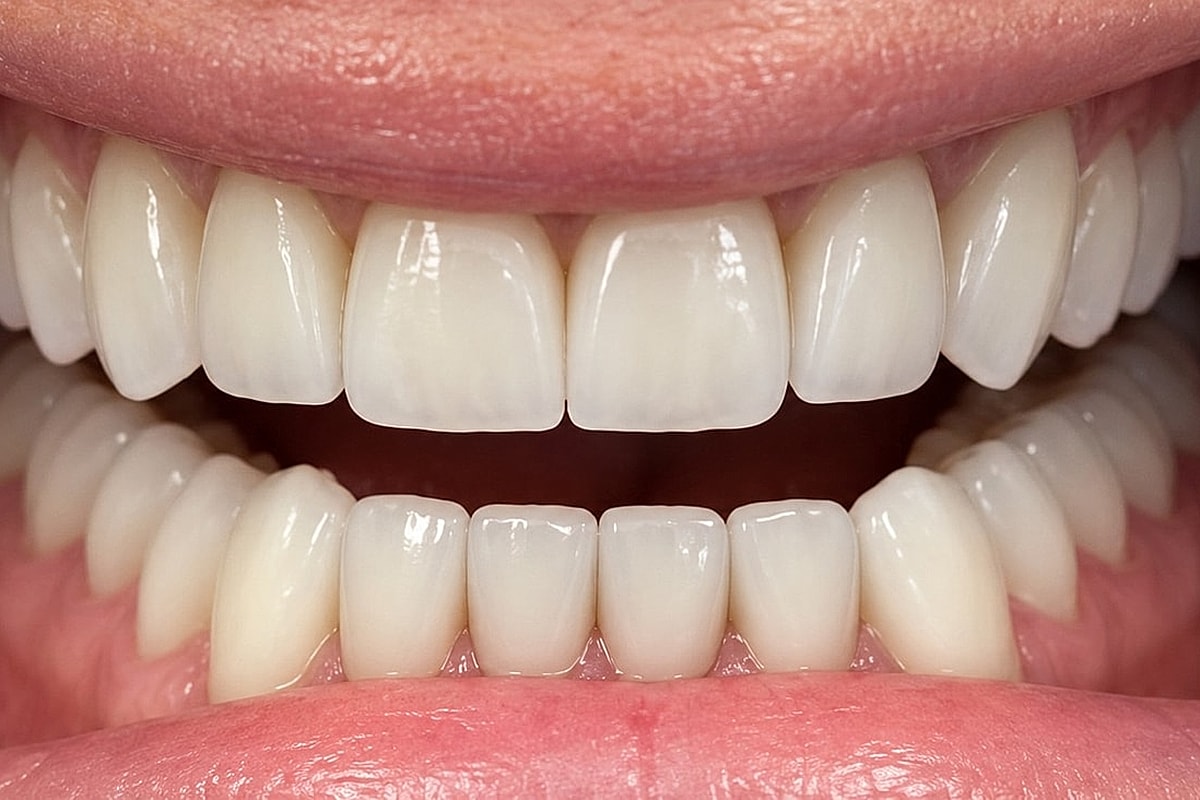
The smile looks cleaner. The color feels more even. The edges look less worn. Older dentistry no longer stands out. The whole expression looks more settled. What had felt slightly off begins to feel resolved.
Other people tend to notice something even simpler: the smile looks right.
That is usually the stronger outcome. The smile makeover Washington, DC patients receive at our dental practice should not look like a collection of procedures. It should look like the smile now belongs more naturally to the face.
A smile makeover does not follow one fixed timeline, because the sequence depends on the treatments involved and the condition of the teeth at the start.
Whitening, Invisalign, veneers, implants, and restorative care each move at a different pace. Some smiles can be improved in a relatively short sequence. Others need to be built more carefully, especially when bite issues, missing teeth, or structural concerns are part of the case.
Longevity depends on the same level of specificity. Veneers do not age the same way whitening does. Implants do not behave the same way bonding does. The better question is how the treatments in your case are likely to perform over time, under your bite forces, with your habits, and your maintenance.
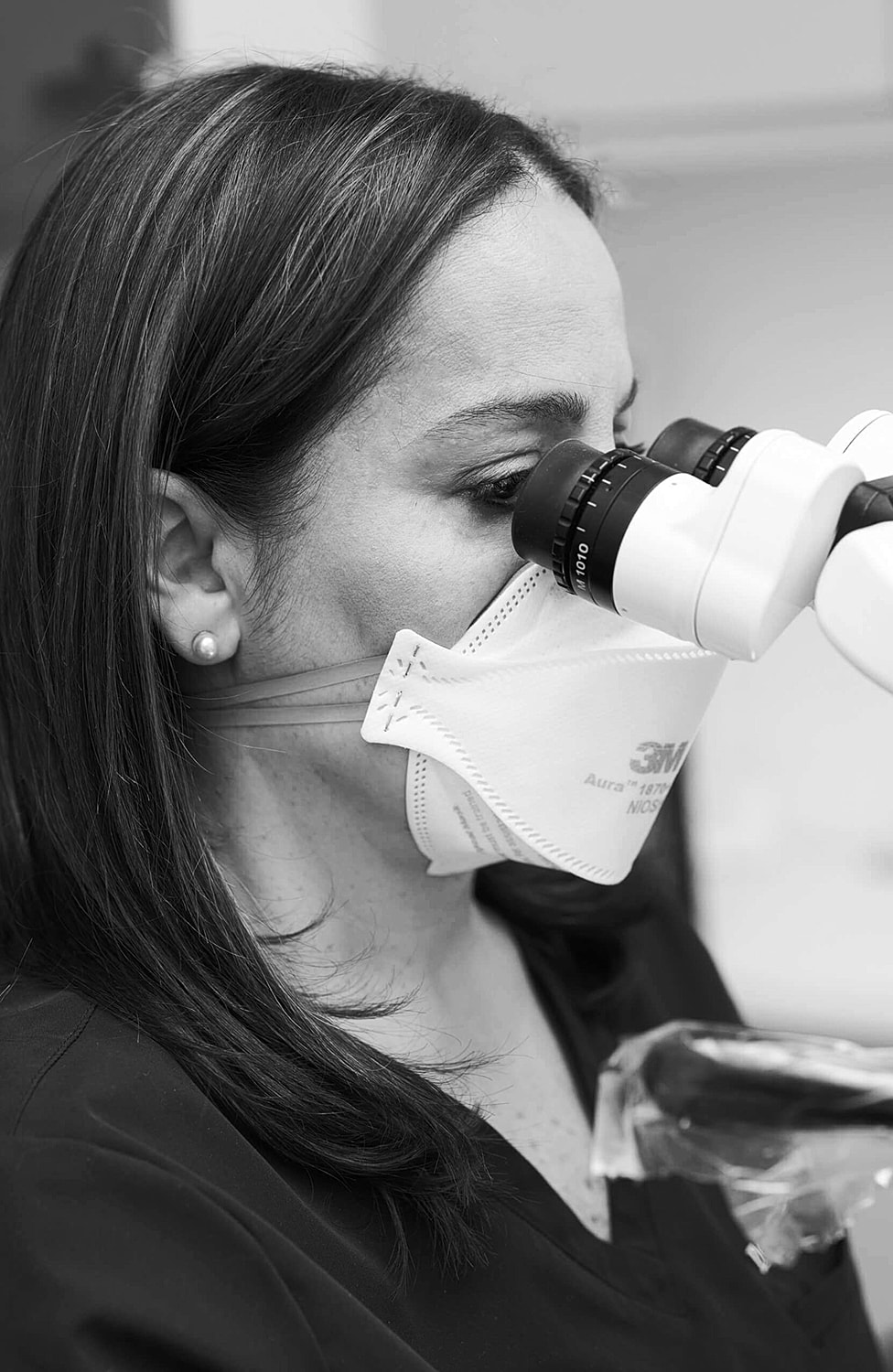
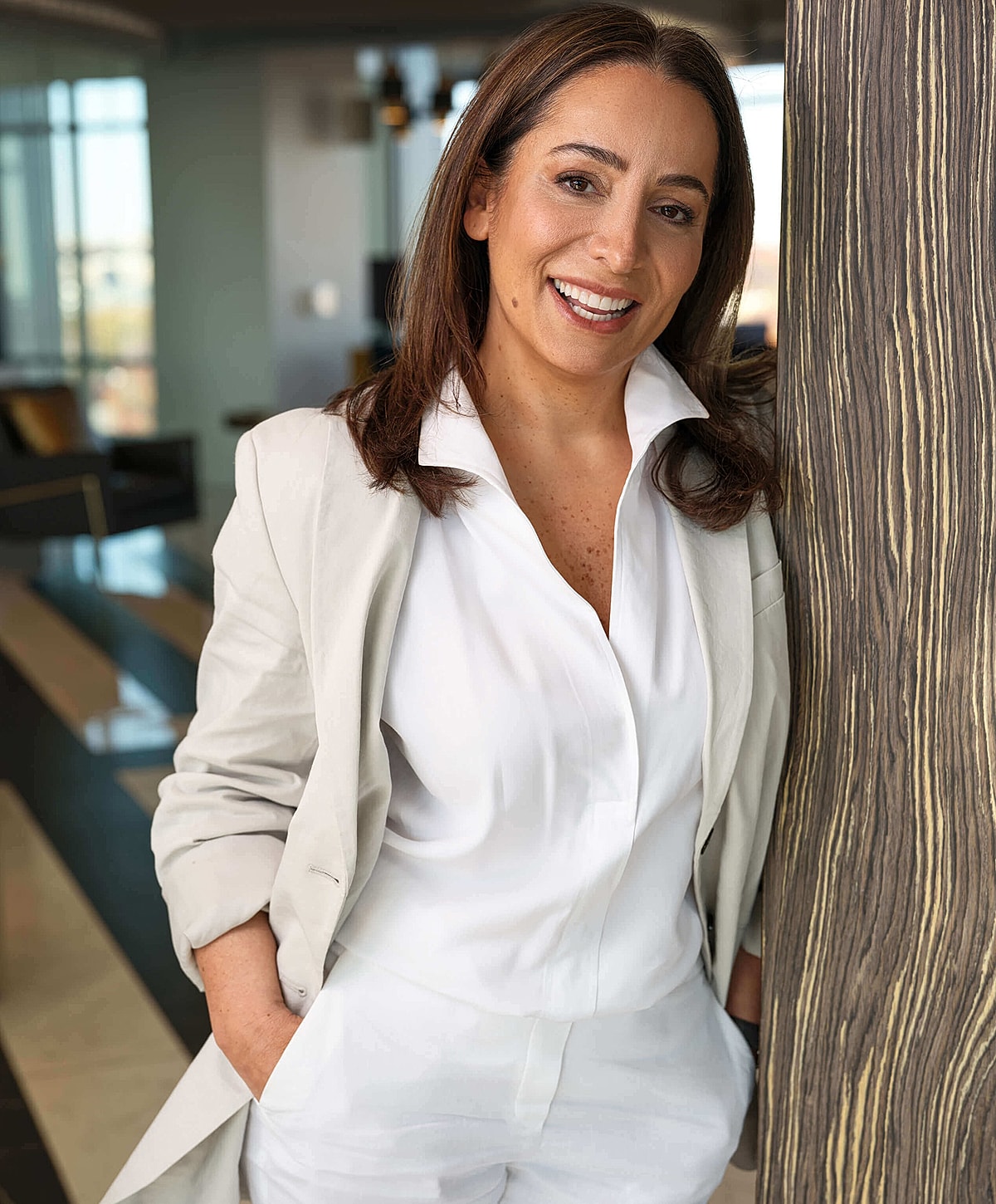
Dr. Azin Ghesmati approaches smile makeovers with a rare combination of aesthetic judgment, restorative depth, and digital precision. Her work is grounded in the belief that a smile should look refined without appearing overworked, and that cosmetic changes should be supported by a healthy, stable foundation.
Before entering dentistry, she studied computer software engineering and worked in project management. That background still shapes the way she approaches complexity. She plans carefully, evaluates proportion and structure with unusual attention, and builds treatment around what is correct for the patient rather than what is routinely done.
Patients tend to notice how composed the experience feels. The standard is high. The plan is clear. Nothing feels rushed or overstated.
To schedule your consultation for a smile makeover in Washington, DC, contact Chevy Chase Digital Dentistry.