
Dental Inlays and Onlays
Serving Chevy Chase in Washington, DC


A fractured filling or extensive decay requires more than a routine solution. In posterior teeth, direct composite often lacks the durability to withstand occlusal forces, while full dental crowns may involve unnecessary removal of healthy tooth structure.
Our Washington, DC dental inlays and onlays provide a conservative, high-strength alternative. As an experienced DC reconstructive dentist, Dr. Azin Ghesmati utilizes advanced CEREC technology to design and fabricate custom restorations with exceptional precision and fit.
At Chevy Chase Digital Dentistry, Dr. Ghesmati often describes her approach this way: “I combine engineering precision with top-tier clinical care.” In restorative dentistry, that philosophy matters. The question is not simply how to fill a space. The question is how to restore strength, function, and fit while preserving what is still healthy.
“I combine engineering precision with top-tier clinical care.”
Dental inlays and onlays are custom dental restorations used to repair a damaged or decayed tooth when a filling is not enough, but a full dental crown can be more extensive than the tooth requires. They restore strength while preserving healthy tooth structure.
An inlay fits within the central grooves of the tooth. An onlay extends over one or more cusps when extra reinforcement is needed across the entire biting surface or a weakened portion of it. You may also hear them described as partial crowns, though that term can oversimplify the decision.
The difference between an inlay or onlay and a standard composite resin dental filling is not just size. It is designed. A larger direct filling can work well in the right setting, but there are cases where a lab-milled or digitally milled restoration provides a more stable way to restore teeth under heavy bite forces. In other cases, a dental crown would cover more of the tooth than necessary. Inlays and onlays sit in that precise middle category.
If a posterior tooth has enough sound enamel left, Dr. Azin Ghesmati may recommend a custom inlay or dental onlay instead of preparing the entire tooth for a crown. The advantage is preservation. Healthy walls stay in place. The restoration is shaped around the damaged portion rather than replacing the whole exterior of the tooth.
That matters for longevity. It matters for biomechanics. It also matters how your natural teeth function over time.
Older or failing gold, amalgam, or large composite resin fillings can place stress on the surrounding tooth structure, especially when the tooth has already been weakened by tooth decay or repeated dental work. A well-designed porcelain restoration can strengthen the tooth while respecting what remains. The goal is to repair damage, not create a larger cycle of treatment than the situation requires.

An inlay or onlay may be appropriate when:
There are also cases where an inlay or onlay is not the right answer. If the tooth is deeply broken, structurally compromised below the gumline, or has too little enamel left to support a bonded restoration, Dr. Ghesmati may recommend a different form of treatment. That could mean a dental crown, root canal therapy, or another restorative plan.
This is why the planning phase is important. A restoration should fit the actual condition of the tooth, your bite, and your circumstances. It should not be chosen from a template.
“...anything but conventional…”
At Chevy Chase Digital Dentistry, the process is digital, precise, and case-specific.
Your consultation begins with a close evaluation of the tooth, the surrounding bite, and the reason the tooth failed in the first place. A large filling that fractures is not always just a materials problem. Sometimes it is a load problem. Sometimes it is a shape problem. Sometimes the tooth has been restored too many times and needs a different strategy.
If a ceramic restoration is the right choice, the tooth is anesthetized with local anesthetic. Dr. Azin Ghesmati removes the decayed or fractured material and refines the preparation so the new restoration has clean, stable margins. Her background, as she has said, has been “anything but conventional,” and that shows in the way she plans treatment: carefully, digitally, and without relying on one-size-fits-all decisions.
Instead of a messy mold, the office uses digital scanning to create a highly accurate 3D image of the tooth. Depending on the case, the restoration may be designed and milled in-office or fabricated with the support of a trusted dental lab. When completed in a single appointment, patients can often avoid a temporary restoration. In more complex cases, a temporary restoration may still be appropriate. The sequence depends on the tooth and on the demands of the case.
The final porcelain restoration is then tried in, adjusted as needed, and bonded into place with dental cement. The goal is not simply to fill a space in the tooth. It is to restore the tooth in a way that feels precise, functions cleanly, and supports long-term use.
Both materials have a role in dentistry. A direct composite resin filling can be an excellent option in the right case. A milled or lab-fabricated porcelain inlay or onlay may be the better choice when the defect is larger, the tooth is under heavier force, or the shape of the restoration needs more control.
This is not about automatically choosing the more elaborate option. It is about choosing the one that allows Dr. Azin Ghesmati to preserve more healthy teeth while still giving the tooth the support it needs.
A properly designed restoration should feel integrated with the tooth. Patients often notice that the tooth feels more secure when chewing and less vulnerable than it did with a large failing filling. The restoration is also aesthetically pleasing, since ceramic can be matched closely to the surrounding enamel.
With proper care, good hygiene, and routine dental visits, our dental inlays and onlays Wasington, DC patients trust can last for years. Longevity depends on the condition of the tooth, the way the bite functions, and how the restoration is maintained over time.
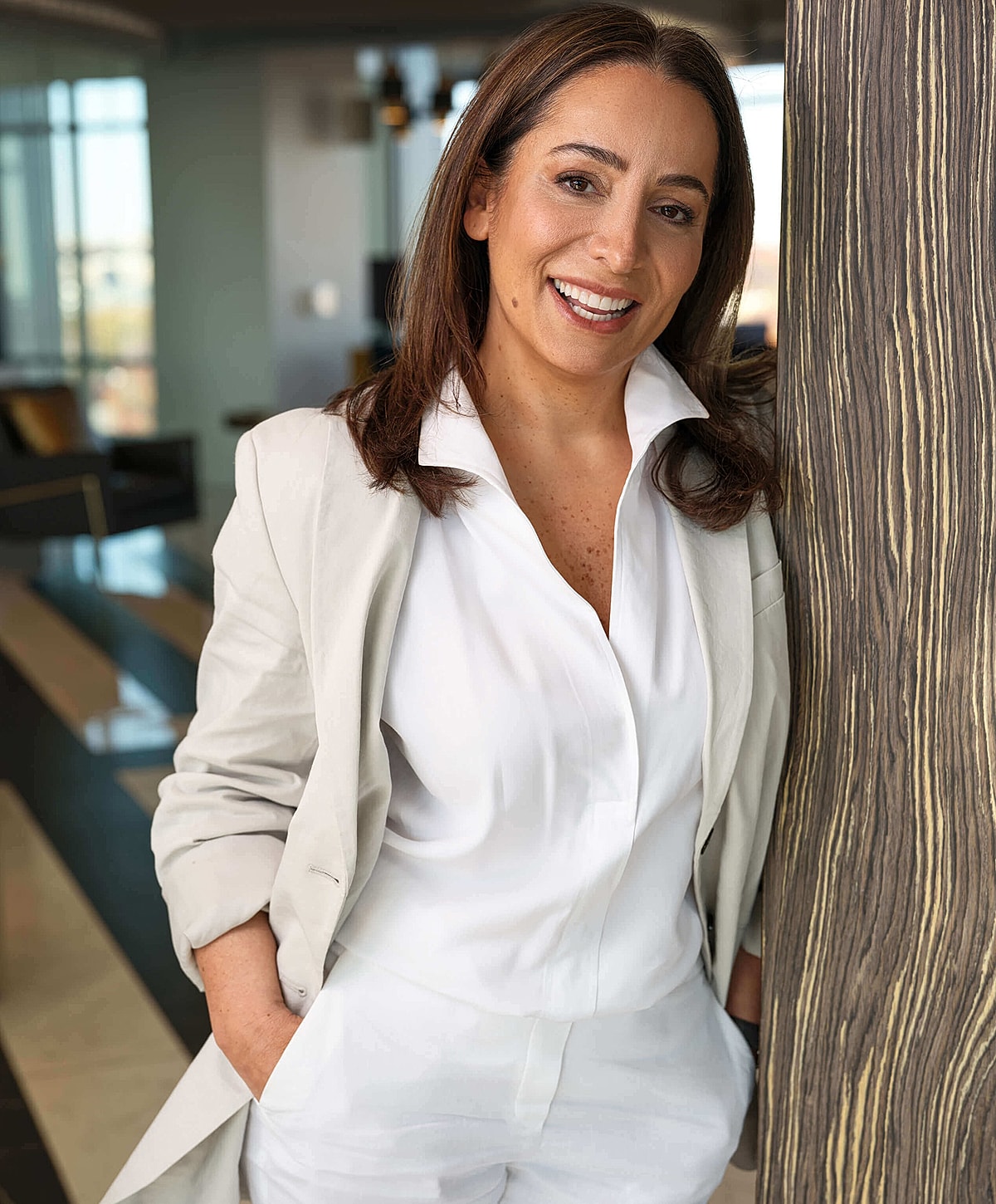
Dr. Azin Ghesmati is known for a precise, non-conventional approach to complex restorative care. Her background in engineering influences the way she plans treatment. She does not default to aggressive dentistry when a more measured option can better protect the tooth.
Her advanced training includes the Global Institute for Dental Education (gIDE), the Interdisciplinary Dental Education Academy (IDEA), the European Academy of Esthetic Dentistry (EAED), Digital Smile Design, and microscope-enhanced dentistry. That multidisciplinary foundation supports the way she evaluates and performs dental restorations at Chevy Chase Digital Dentistry in Washington, DC.
Our patients are not looking for average dental care. They want rigor. They want judgment. They want a restoration that is carefully planned and carefully executed.
To schedule your consultation for inlays and onlays in Washington, DC, contact Chevy Chase Digital Dentistry.